
Klaviyo Will Build the Flow for You. That Was Never the Hard Part.

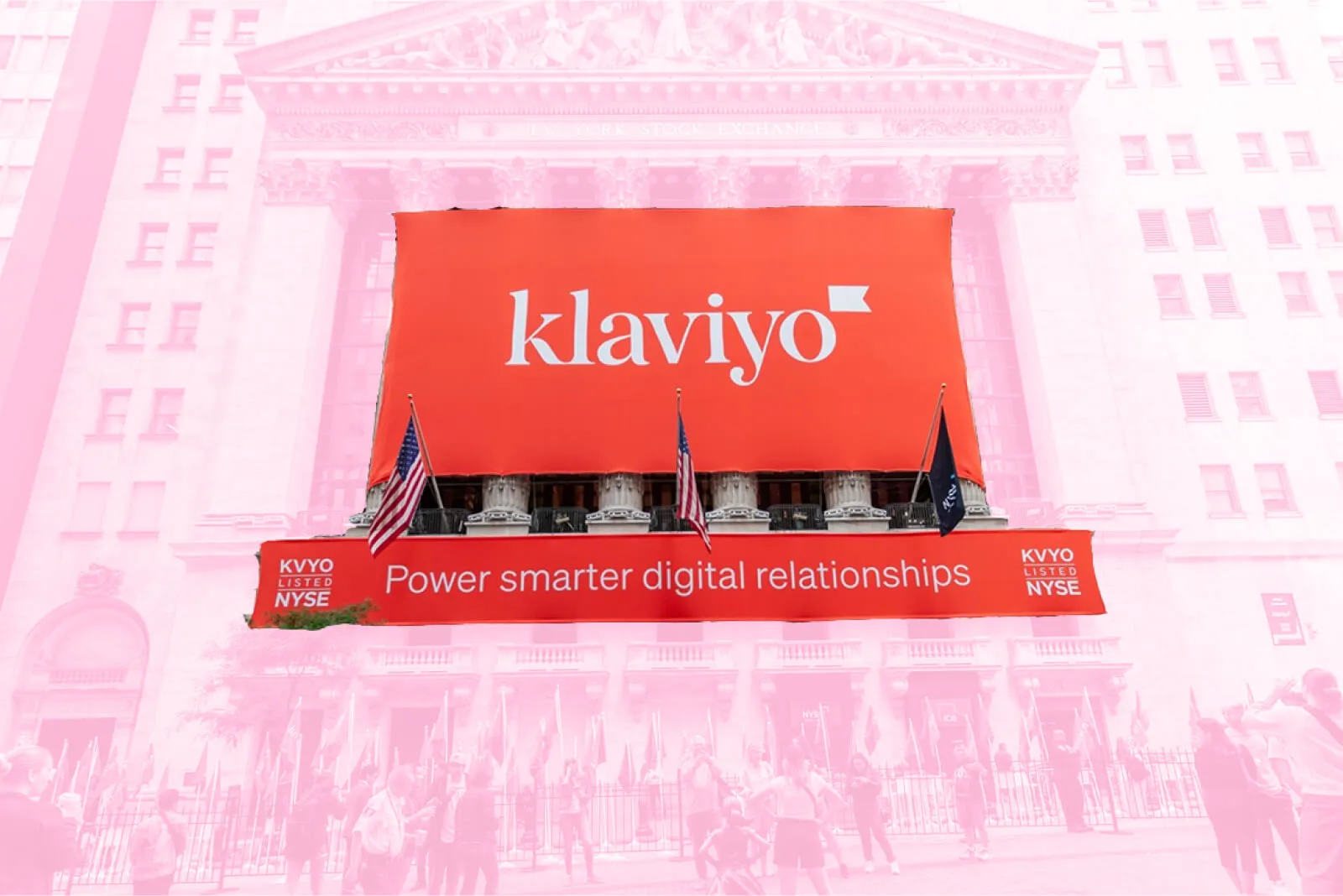
Type "build me a spring reactivation campaign for lapsed customers across email and text" into Klaviyo's Composer and you'll have something close to launch-ready in minutes. Segments included. It'll also audit a flow you already have and tell you where in the sequence people are dropping out.
Composer went to public beta at the end of June. Alongside it, Klaviyo shipped Customer Agent skills that handle order tracking, returns, subscription changes and loyalty lookups across chat, email, SMS and WhatsApp, plus a builder that lets you create custom skills and simulate them before they go live.
I spent a chunk of my career at Klaviyo before we started Mindwave, and I'd have found this genuinely hard to imagine at the time. It's also a bit uncomfortable for anyone whose pitch was "we'll build your flows".
Klaviyo isn't an email platform any more
Worth saying plainly, because a lot of briefs we see still treat it as one.
Klaviyo now describes itself as an autonomous B2C CRM. Andrew Bialecki, one of the co-founders, put the thesis fairly bluntly when Composer launched: the execution layer in software is moving from humans to agents. You describe the outcome, the agents do the work, inside guardrails you set.
That's not marketing language covering a modest feature release. Klaviyo shipped over 75 new features in the first quarter of this year alone, RCS went generally available, social sits in the platform now, and in August they moved to acquire the team behind an AI-native customer success business to push further in the same direction.
If your mental model is still "the tool we send campaigns from", you're going to keep paying for a lot of things you never open.
What actually got harder
Here's the part worth thinking about. When building gets cheap, the value moves to the decisions upstream and downstream of it.
The data underneath. An agent working from a messy profile makes confident, well-written, badly targeted decisions very quickly. Identity resolution across multiple email addresses, clean event tracking, purchase and subscription data flowing back properly. This has always mattered and it was always the least glamorous part of the job. It now matters considerably more, because the speed of execution has gone up while the quality of the input hasn't automatically followed.
The offer. Composer will write you a beautiful win-back email. It won't tell you whether a 15% discount to lapsed customers is quietly training your best buyers to wait for a discount. That's a margin question, and it needs someone who understands the business rather than the platform.
The guardrails. Klaviyo has been sensible here. Nothing Composer generates goes live without human approval, and Agent Guidance lets you define tone and set the escalation rules for when a conversation should reach a person. Those settings are where brand risk lives now. Deciding when your AI hands a frustrated customer to a human being is a judgement call, and it's not one you want made by whoever set the account up on a Friday afternoon.
How we're using it
We treat Composer as a first draft engine rather than a finished product, and we use the flow audit far more than the generation.
Pointing it at an existing sequence and asking where customers are falling out surfaces things quickly that would previously have taken an afternoon of clicking through reports. What it gives you is a starting hypothesis. We still argue about what to do with it, because the answer usually involves something the platform can't see, like stock, seasonality, margin, or what the client's customer service team has been hearing all month.
The other thing we do is spend real time on the boring configuration. Escalation rules, tone guidance, what the agent is allowed to resolve on its own. Getting that right takes a conversation with the client about their tolerance for risk, which is not a task you can prompt your way through.
The honest version
Email automation used to be a craft with a reasonably high skill floor. Building a good welcome series took experience.
That floor has dropped, and it will keep dropping. What hasn't changed is that a well-built flow pointed at the wrong outcome is just a faster way to reach the wrong place. Someone still has to decide what the business actually wants, make sure the data supports it, and be accountable when the automation does something daft at scale.
That's a smaller-sounding job. It's also the one that was always doing the work.
If you're paying for Klaviyo and using a fraction of it, or you're looking at Composer and the agent tooling and wondering where to start, we're happy to talk it through. Usually the first conversation is about your data rather than your emails, which isn't the exciting answer but tends to be the right one.
More news & views





Our 3-step process
for Smarter Growth

Audit & Assess
We dig into your current channels - search, social, email and automation - understand your data, map what's actually driving revenue and find where budget is being lost.
Consultation & Onboarding
We set shared targets, connect your platforms and get every system and data set talking to each other, so nothing falls through the cracks from day one.
We Get to Work
We run your campaigns and automations as one connected system, spotting patterns across channels faster than any single-platform view can.